 listicle
Best Kitchen Sink Materials for Longevity
Table of Contents
- What Makes a Kitchen Sink Last: Key Durability Factors
- Stainless Steel vs Granite Composite Sink Durability
- Average Lifespan of a Kitchen Sink by Material
- Fireclay and Ceramic Sinks: Traditional Durability
- Quartz vs Granite Worktops Price Per Meter and Sink Material Selection
- Installation Types and Long-Term Structural Integrity
- Maintenance and Care: Which Materials Require Less Effort
- Material-Specific Repairability and Environmental Sustainability
- Frequently Asked Questions
Last Updated: October 4, 2026
What Makes a Kitchen Sink Last: Key Durability Factors
The sink is a fixture you'll use multiple times daily for years. Understanding what makes a kitchen sink durable means knowing which materials withstand real kitchen life. At Wjskitchenwarehouse, we've helped homeowners and trade customers select sinks that last decades.
The best kitchen sink materials for longevity depend on how you use your kitchen, your water quality, and maintenance tolerance. Some materials are durable but heavy and expensive; others are affordable but need regular care. Match the material to your actual lifestyle, not just aesthetics.
Longevity depends on material composition (steel gauge, granite density, ceramic firing temperature), installation type (undermount vs drop-in), water quality, and daily habits like cleaning method and heat exposure.
Stainless Steel vs Granite Composite Sink Durability
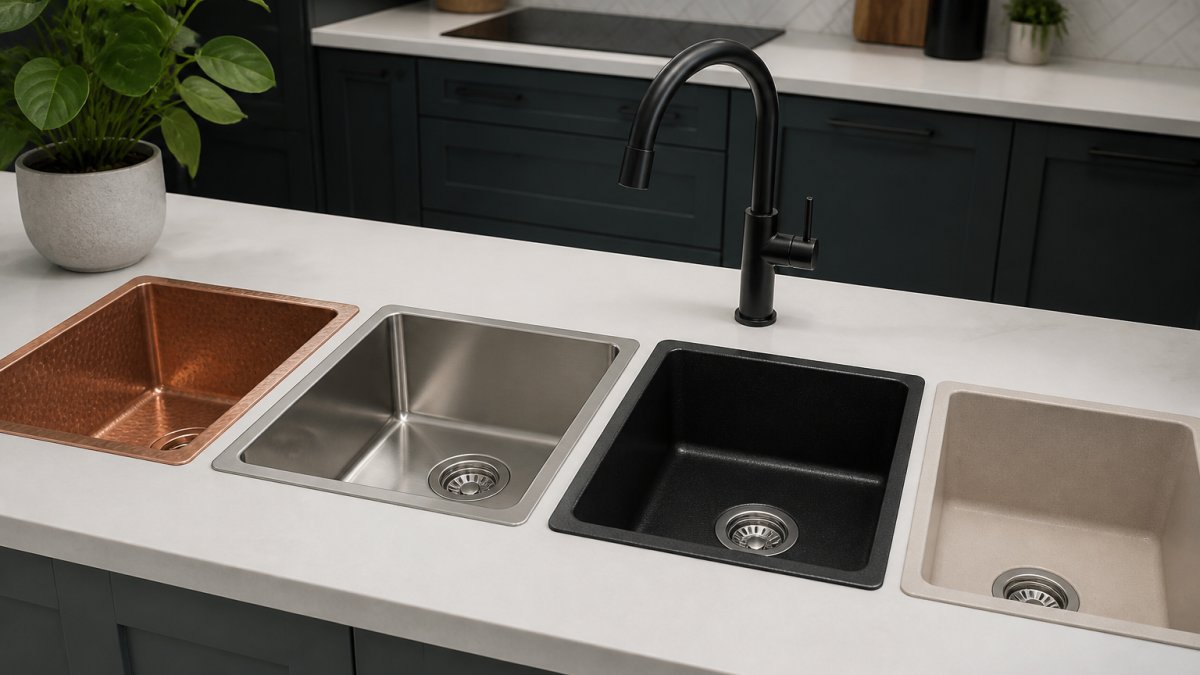
These two materials dominate the market for good reason: they're both genuinely durable, widely available, and priced for most budgets. But they fail in different ways and excel in different situations.
Stainless Steel: Corrosion Resistance and Maintenance
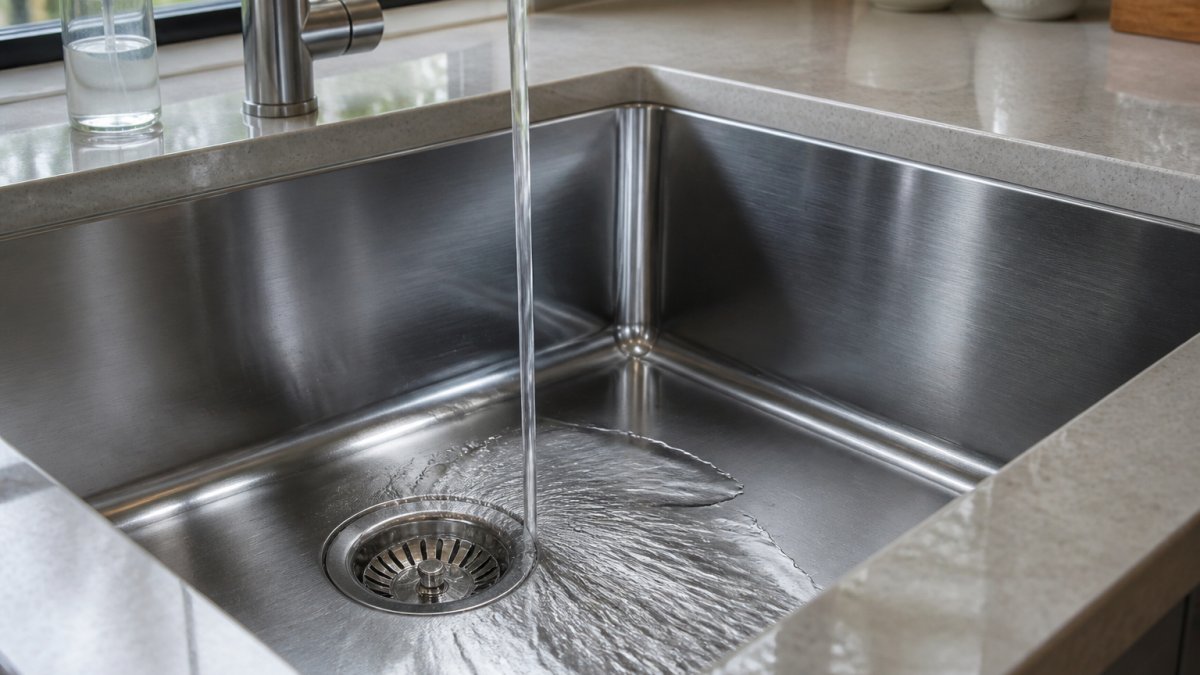
Quality stainless steel sinks use 16 or 18 gauge steel; lower gauge numbers indicate thicker, more durable steel. A 16-gauge sink like the Franke Mythos outlasts cheaper 20-gauge alternatives, resisting dents and maintaining structural integrity.
The maintenance challenge with stainless steel is aesthetics: water spots, fingerprints, and scratches accumulate visibly. A brushed finish hides these marks better than polished, which is why professional kitchens favour it.
Heat tolerance is excellent and impact resistance is good, though dropping heavy pots will dent the surface without compromising function.
Quality stainless steel sinks typically carry 10-15 year warranties on defects; Reginox offers lifetime warranty, signalling confidence in their engineering.
Granite Composite: Impact and Heat Tolerance
Granite composite sinks blend crushed granite or quartz with acrylic resin, creating a non-porous surface that resists staining better than stainless steel.
Composites excel at heat tolerance; the Blanco Silgranit range handles temperatures up to 280°C. Impact resistance is superior, absorbing shock without denting.
The tradeoff is maintenance: hard water deposits and mineral buildup show on composite surfaces, especially lighter colours, requiring regular cleaning with appropriate products.
Granite composite sinks are heavier than stainless steel, requiring solid cabinetry support. Poor support can cause flexing, compromising the seal and risking water damage.
Average Lifespan of a Kitchen Sink by Material
Stainless steel sinks typically last 15-25 years. The steel won't corrode, but seals around the drain and overflow may fail after 10-15 years, requiring replacement rather than a full sink swap.
Granite and quartz composite sinks often last 20-30 years. The limiting factor is usually the seal around the edges or mounting hardware, which may need attention after 15-20 years.
Fireclay sinks are longevity champions, lasting 30-50 years or more. Villeroy & Boch fireclay sinks often outlast entire kitchen renovations. The catch is weight and fragility; they can chip if you drop something hard on the rim.
Enamelled cast iron sinks (like Kohler's range) last 25-40 years, though the enamel coating can eventually chip with heavy use. The cast iron underneath is extremely durable, but once the enamel cracks, rust can develop if you don't address it quickly.
Ceramic sinks fall somewhere between fireclay and composite, typically lasting 15-25 years depending on quality and use.
Fireclay and Ceramic Sinks: Traditional Durability
Fireclay sinks blend clay and minerals fired at extremely high temperatures, creating a surface harder than most modern alternatives. Villeroy & Boch's farmhouse fireclay sinks exemplify this durability, resisting scratches, acids, alkalis, and staining.
Fireclay doesn't yellow, fade, corrode, or stain. It's genuinely non-porous and hygienic. The classic white or cream farmhouse look suits traditional and modern kitchens.
Fireclay is heavy (40-50kg for a single bowl) and brittle; it chips if you drop something heavy on the rim, unlike stainless steel which dents. Installation is complex and requires reinforced cabinetry.
Ceramic sinks sit between fireclay and modern composites. They're more durable than basic ceramic tiles but less strong than true fireclay. They offer good stain resistance and a clean aesthetic, though they're more prone to chipping than fireclay and less heat-tolerant than granite composite.
Both materials suit kitchens where the sink is a focal point and you'll handle it with care, less so for high-traffic family kitchens prioritising robustness over aesthetics.
Quartz vs Granite Worktops Price Per Meter and Sink Material Selection
Sink choice should coordinate with worktop material functionally and aesthetically.
Granite worktops pair naturally with granite composite sinks, allowing the same cleaning products for both. Quartz worktops work with quartz composite sinks or contrast beautifully with stainless steel or fireclay.
The undermount installation junction is where water can seep if the seal isn't perfect. Granite and quartz worktops handle undermount sinks well because they're solid enough to support the weight without flexing.
Pair heat-resistant worktops (granite, quartz) with heat-tolerant sinks (composite or fireclay) so you can safely place hot pans on either surface.
Installation Types and Long-Term Structural Integrity
How your sink is installed directly affects how long it lasts and how well it performs.
Undermount vs Drop-In Installation
An undermount sink is mounted from below the worktop, creating a seamless appearance and making it easier to wipe debris in without catching on a rim.
Undermount sinks require strong worktop materials (granite, quartz, solid wood) thick enough to support the weight without flexing. Installation is complex and usually requires professional fitting. The seal is critical; any gap allows water damage.
Undermount sinks don't collect debris around the rim, so the seal stays cleaner longer and water damage is visible before becoming catastrophic.
A drop-in sink (top-mount) sits on top of the worktop with a rim overlapping the edge. Installation is simpler and often DIY-friendly.
Drop-in sinks are more forgiving of worktop materials and installation imperfection. The tradeoff is debris collecting around the rim and potential water damage to the worktop edge over 10-15 years.
For maximum longevity, undermount installation with a quality seal is superior. But it requires proper worktop support and professional installation.
Maintenance and Care: Which Materials Require Less Effort
The most durable sink is useless if you hate maintaining it. Realistic maintenance expectations matter when choosing your material.
| Material | Daily Care | Weekly Maintenance | Frequency of Deep Clean | Durability Trade-Off |
|---|---|---|---|---|
| Stainless Steel | Wipe with microfiber cloth | Mild soap and water | Monthly polish to hide marks | Water spots visible unless buffed regularly |
| Granite Composite | Mild dish soap and warm water | Same as daily | Every 2-4 weeks in hard water areas | Limescale buildup requires attention |
| Fireclay | Mild soap and water | Same as daily | Rarely needed | No real maintenance burden |
| Ceramic | Mild soap and water | Same as daily | Monthly if needed | Less durable than fireclay |
| Enamelled Cast Iron | Gentle washing | Avoid abrasive pads | Annually with specialist cleaner | Enamel can chip with rough treatment |
| Quartz Composite | Mild soap and water | Same as daily | Monthly in hard water areas | Similar to granite composite |
Stainless steel demands the most aesthetic maintenance. Every water spot and fingerprint shows, so if you want it to look pristine, you'll polish it regularly. This isn't difficult, but it's time-consuming.
Granite and quartz composites need regular attention in hard water areas. Mineral deposits build up quickly, and while they don't damage the sink, they make it look dull. A weekly wipe with a specialist composite cleaner keeps them looking new.
Fireclay requires almost no special maintenance. Wash it like any sink, and it stays looking good for decades. This is the lowest-maintenance option by far.
Ceramic sits between fireclay and composite, easier than composite but slightly more prone to showing wear than fireclay.
Enamelled cast iron needs gentle handling. Avoid scouring pads and acidic cleaners that can damage the enamel. Once chipped, the exposed iron underneath needs attention to prevent rust.
Material-Specific Repairability and Environmental Sustainability
Not every sink lasts forever, but some materials are easier and cheaper to repair than others.
Stainless steel sinks can be refinished if the surface becomes scratched or dull. Professional refinishing costs less than replacement and can restore the sink to near-original condition.
Granite and quartz composite sinks are difficult to repair if cracked or deeply damaged. Small chips can be filled with colour-matched epoxy, but major damage usually means replacement.
Fireclay sinks are nearly impossible to repair if chipped. A small chip can be touched up, but larger damage is permanent.
Enamelled cast iron can be professionally re-enamelled, though this is expensive and rarely worthwhile compared to replacement.
From an environmental perspective, the calculation is complex. Stainless steel is infinitely recyclable, and most stainless sinks contain recycled content.
The most environmentally sound choice is whichever sink you'll keep longest.
Wjskitchenwarehouse sources quality sinks designed for longevity, reducing the need for replacement and the associated environmental cost. Our design service helps you choose materials that match your actual use.
Selecting the best kitchen sink materials for longevity means understanding the real differences between options and matching them to your kitchen's actual demands.
Wjskitchenwarehouse supplies premium sink options from trusted brands like Franke, Blanco, and Villeroy & Boch, alongside custom-made kitchen carcasses and components.
Frequently Asked Questions
Which kitchen sink material is the most scratch-resistant?
Granite composite and quartz composite sinks offer superior scratch resistance compared to stainless steel. Materials like Silgranit and Cristadur are engineered to withstand daily abrasion from cookware and utensils. Fireclay sinks also resist scratching due to their glazed ceramic surface, though they are more prone to chipping from dropped heavy objects. Stainless steel, while durable, shows minor scratches more visibly over time, particularly in lower gauges.
Is stainless steel or composite better for a long-lasting sink?
Both perform well for longevity, but with different trade-offs. Stainless steel sinks last 15-20 years with proper care and resist corrosion effectively, though they require regular maintenance to prevent water spots and patina. High-quality granite composite sinks often outlast stainless steel, lasting 20-25 years, and resist scratches and heat better. Composite materials are less prone to visible wear, making them ideal for busy kitchens. The choice depends on whether you prefer the industrial look of stainless steel or the stone-like aesthetic of composite.
What is the average lifespan of a kitchen sink?
A well-maintained kitchen sink typically lasts 15-30 years depending on material and usage. Stainless steel sinks average 15-20 years; granite and quartz composites last 20-25 years; fireclay sinks can exceed 30 years if not subjected to extreme impact; cast iron enamel sinks last 25-30 years. Lifespan is affected by water quality, installation type, daily wear, and maintenance habits. Undermount installations generally extend longevity compared to drop-in sinks because they reduce stress on edges and seals.
Do granite composite sinks crack easily?
Quality granite composite sinks are highly impact-resistant and rarely crack under normal kitchen use. They are engineered to absorb shock from dropped cookware better than ceramic or fireclay. However, extreme thermal shock (pouring boiling water into a cold sink) or direct impact with very heavy cast iron can cause damage. Most composite sinks resist cracking better than fireclay, which can chip if heavy pots strike the rim. Reputable brands like Blanco Silgranit and Schock Cristadur offer warranties against manufacturing defects.
Are fireclay sinks durable enough for daily kitchen use?
Yes, fireclay sinks are extremely durable for everyday use and often outlast other materials, lasting 30+ years. They resist staining, scratching, and discolouration exceptionally well. However, they are vulnerable to chipping if heavy metal cookware is dropped directly on the rim or edges. Fireclay's weight requires reinforced cabinetry, and the material is difficult to repair if damaged. For households that handle cookware carefully, fireclay is an excellent choice for longevity, though it demands more structural preparation during installation.