 comparison
Are Trade Kitchen Fittings Worth Buying From a Specialist?
Last Updated: October 28, 2026
Quick Summary
Specialist trade kitchen fittings are usually worth buying when you compare the right things, such as hinge and runner specifications, carcass construction, trade account terms and lead times, rather than unit price alone. Retail ranges can be cheaper per item, but specialists often offer matching ranges and clearer stock and replacement support across a full project.
- Compare soft-close mechanism, runner material and stated cycle ratings, not just brand and price.
- Rigid carcasses hold their shape better than flat-pack, especially where walls are not level.
- Confirm trade pricing model, tier thresholds and whether quoted prices are held for the project.
- Ask how stock status is shown and what the realistic lead time is for the items you need.
- Do not mix hinge systems from different manufacturers on one project without confirming mounting plate compatibility.
Table of Contents
- What Makes Trade Kitchen Fittings Different From Retail Ranges
- Kitchen Hinges and Drawer Runners: The Specifications That Decide Quality
- Cabinet Carcasses, Doors and Finishes: Flat-Pack Versus Rigid
- Choosing a Trade Kitchen Supplier: Accounts, Terms and Total Project Cost
- Bespoke Kitchen Components and Made-to-Order Lead Times
- Ex-Stock Kitchen Fittings: When Speed Matters More Than Customisation
- Booking a Design Consultation and Ordering Your Trade Fittings
- Frequently Asked Questions
Trade buyers often ask whether high quality kitchen fittings for trade justify a specialist supplier, or whether a high-street retailer will do. At Wjskitchenwarehouse, we supply both trade and retail customers, so we see the difference every week. Specialist trade fittings are usually worth the extra care, but only when you compare the right things, price per hinge is rarely decisive.
What Makes Trade Kitchen Fittings Different From Retail Ranges
Trade buyers also need consistency across a whole project: matching hinges, runners and handles from the same range avoids mismatched finishes and simplifies ordering, and a specialist can usually supply the full set in one order. For a direct side-by-side look at Kitchen Warehouse Ltd vs Lark & Larks, see how the two suppliers compare.
Kitchen Hinges and Drawer Runners: The Specifications That Decide Quality
Hinges and drawer runners are where quality is most visible over time: two products can look identical on the shelf and behave very differently after a year of daily use. Most supplier pages list a brand and a price but not the numbers that predict failure, so here are the criteria to compare.
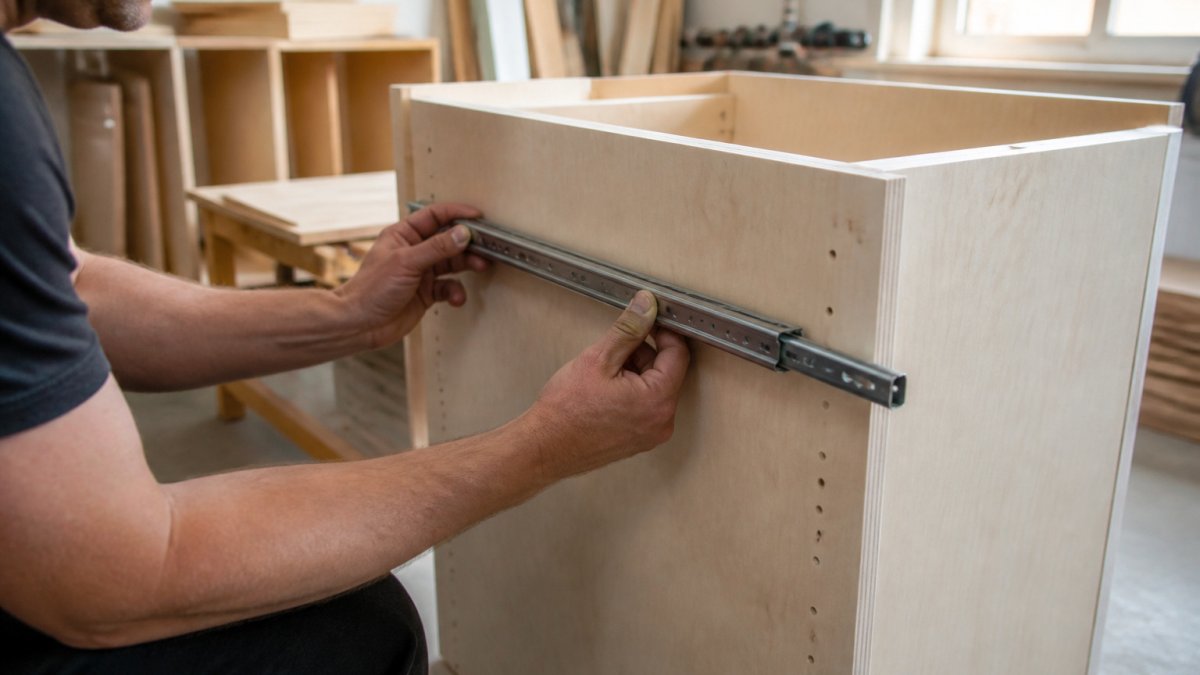
Hinges: what to check before you specify
Ask about the soft-close mechanism separately. Some hinges integrate damping into the body; others rely on a separate damper. Integrated damping is simpler to specify and less likely to be omitted at ordering, but can make the hinge harder to adjust. Separate dampers give more flexibility on mixed projects but add a line to the order and a component that can be left off.
Drawer runners: load, extension and material
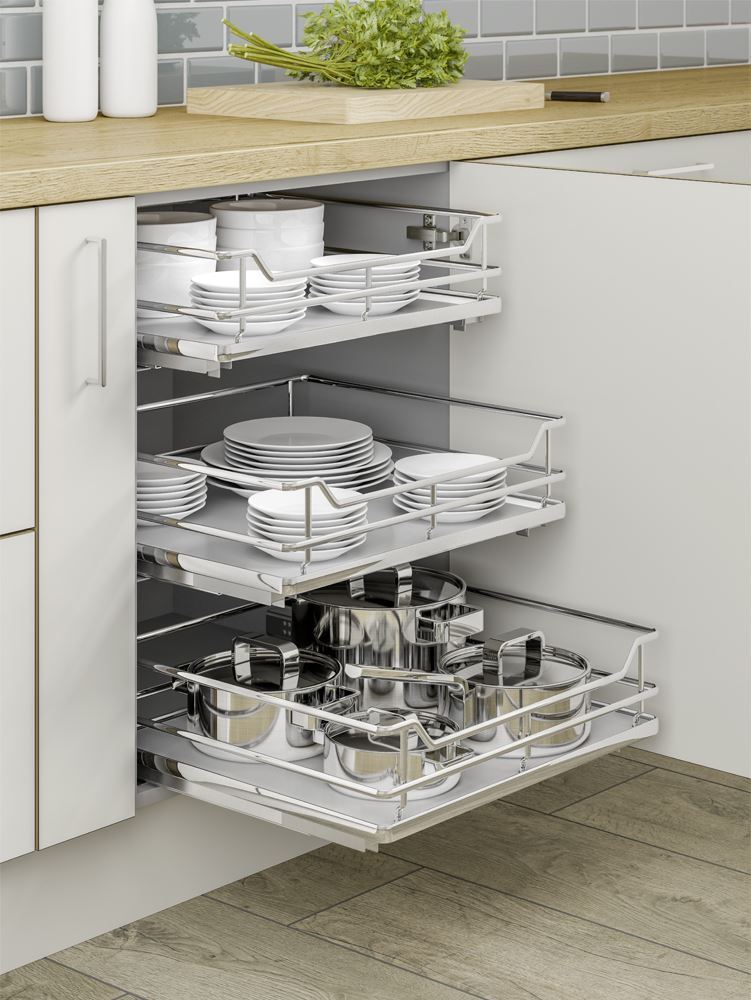
Runner material and mechanism also matter. Ball-bearing runners generally run more smoothly under load than roller types and hold their alignment better over time. Check for a stated cycle rating and whether replacement runners are a stock item, a runner that fails after handover is only a minor issue if you can source a matching replacement quickly.
A practical comparison method
Wjskitchenwarehouse supplies premium components including Blum and Hettich products.
Cabinet Carcasses, Doors and Finishes: Flat-Pack Versus Rigid
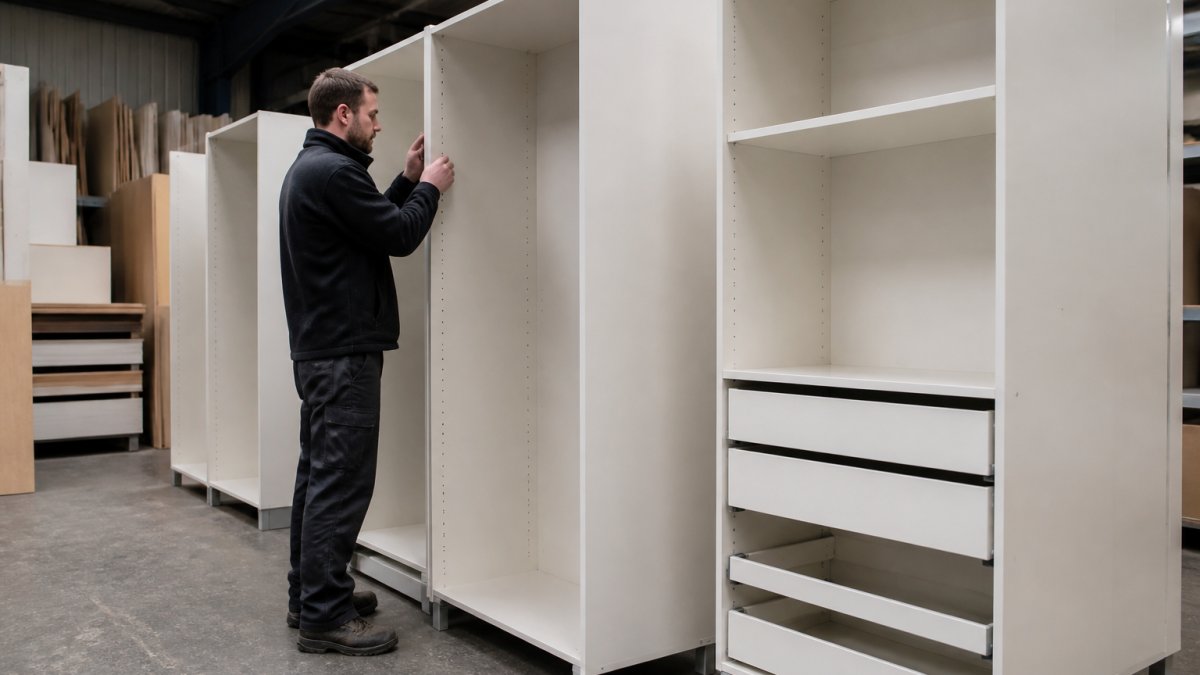
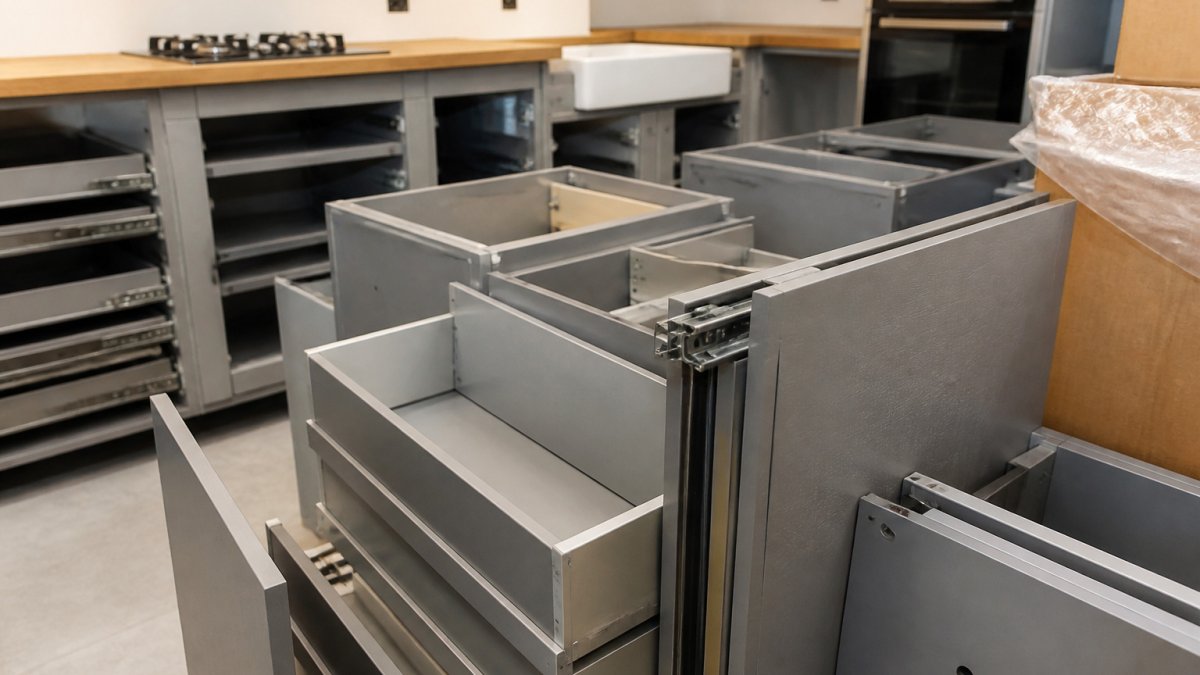
The carcass is the box everything else attaches to, so its construction affects the whole kitchen. Flat-pack carcasses arrive as panels and are assembled on site; rigid carcasses arrive pre-assembled and square.
Flat-pack units can be cheaper and easier to transport but depend heavily on assembly accuracy. For a deeper breakdown of custom rigid carcasses versus flat-pack, see the five key differences. Rigid units hold their shape better, especially where the kitchen is long or the walls are not perfectly level, and reduce the chance of doors sitting out of line once in use.
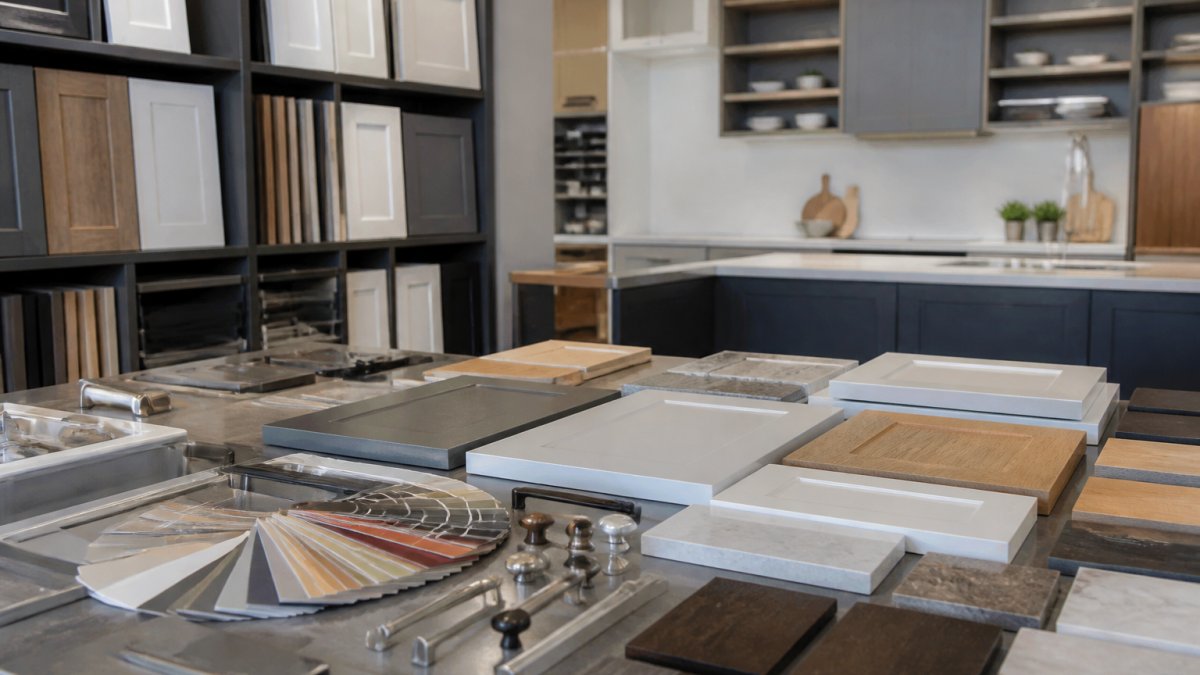
Door styles and finishes matter too. Painted doors show surface defects more readily than laminate or veneer, so ask for the door construction and finish specification in writing before ordering.
Ready-to-assemble versus rigid carcasses in practice
Wjskitchenwarehouse supplies custom-made kitchen and bedroom carcasses with 14-day lead times. Once your fittings are chosen, read the professional kitchen fitting guide to plan installation.
Choosing a Trade Kitchen Supplier: Accounts, Terms and Total Project Cost
Picking a supplier is about more than the price on the product page. A trade account with clear terms can save time on every project, but only if you compare the right figures. Most trade buyers compare unit prices and stop there; the suppliers that cost less overall are usually transparent about delivery, minimum orders, returns and lead times.
Trade account eligibility and how trade pricing is structured
Start by asking about trade account eligibility. Some suppliers open accounts only for registered businesses; others accept sole traders. Ask what evidence is required, how long opening takes, and whether you can trade on account from the first order or face a probation period.
Then ask how trade pricing is structured. There are three common models, and they behave very differently on a project:
- List price with a fixed trade discount. Simple to compare, but the discount may not scale with volume.
- Tiered pricing by order value or annual spend. Better on large projects, but the tier thresholds matter and should be confirmed in writing.
- Project-specific quoted pricing. Common on made-to-order and bespoke work, where the price depends on specification, quantity and delivery date.
Ask which model applies, what the thresholds are, and whether the price you are quoted is held for the duration of the project. A price that is only valid for 30 days is a risk on a long fit-out.
Building a total project cost figure
Pricing depends on quantity, dates and delivery, so request a written quote for your project. Before you order, measure your kitchen cabinets accurately so the fittings you buy will fit.
Lead times, stock reliability and after-sales support
Delivery speed is only part of the picture. Ask how stock status is shown, whether ex-stock lines are held regionally or shipped from a central depot, and the realistic lead time for the items you actually need. A supplier who quotes a fast lead time but cannot confirm stock is a risk on a tight programme.
After-sales support deserves the same scrutiny. Ask how replacement parts are handled, whether they are held ex-stock, and the process for a damaged item discovered after delivery. On a multi-unit project, a single missing hinge or damaged door can hold up the whole fit, so the replacement route matters as much as the original lead time.
A shortlist scorecard
Our design service uses Articad CAD design software.
The article lays out the three common trade pricing models and the checks to run before committing to a supplier.
| Pricing model | How it works | Watch for |
|---|---|---|
| List price with fixed trade discount | Simple to compare | Discount may not scale with volume |
| Tiered pricing | Based on order value or annual spend | Confirm tier thresholds in writing |
| Project-specific quote | Depends on specification, quantity and date | Check whether the price is held for the project |
Bespoke Kitchen Components and Made-to-Order Lead Times
For our custom-made carcasses, we quote 14-day lead times.
Ex-Stock Kitchen Fittings: When Speed Matters More Than Customisation
We offer quick delivery on most ex-stock products.
Booking a Design Consultation and Ordering Your Trade Fittings
If you would like a quote or information about our design service, get in touch with Wjskitchenwarehouse.
Frequently Asked Questions
What should trade buyers look for in quality kitchen fittings?
Start with the hinges and drawer runners, since they take the most daily use. Check the load rating, the soft-close mechanism and whether the fitting is adjustable after installation, which matters when walls are out of square. For carcasses, look at panel thickness and the joinery method, and ask whether the cabinet is rigid or flat-pack. Ask the supplier for the specification sheet rather than relying on the product name alone, and compare the stated lead times against your programme before committing.
Can trade suppliers provide bespoke kitchen components?
Pricing depends on quantity, specification and delivery, so request a quote from Wjskitchenwarehouse for current figures on your project.
Are trade kitchen fittings available for quick delivery?
Most ex-stock kitchen fittings can be dispatched quickly, which helps when a fitting programme is running to a fixed schedule. Stock availability changes, so check whether an item is genuinely in stock before you plan an install date around it. Ask about delivery options for your site and whether the supplier can split a single order into an ex-stock delivery and a made-to-order delivery.
How can you compare kitchen fitting suppliers?
Compare the specification, not the headline price. Line up the hinge and runner brands, load ratings, carcass construction and door finishes side by side, then ask each supplier about trade account terms, minimum order values and after-sales support. Factor in lead times and the cost of any remedial work if a component does not fit, because that is where the total project cost often diverges between suppliers.